


 Login
LoginMagnetic pulses may help brain health


A pioneering therapy that uses magnetic pulses to stimulate the brain to treat conditions such as Parkinson’s disease, depression, schizophrenia, epilepsy and stroke is now better understood thanks to researchers from The University of Western Australia and the Université Pierre et Marie Curie in France.
Research Associate Professor Jennifer Rodger from UWA’s School of Animal Biology said she and her team tested the therapy – known as repetitive transcranial magnetic stimulation (rTMS) – on mice to find out how it can be applied to treating human neurological disease.
The research was published recently in the prestigious journal FASEB (Federation of American Societies for Experimental Biology).
“Our work demonstrated for the first time that pulsed magnetic fields promote changes in brain chemicals that correct abnormal brain connections, resulting in improved behaviour and brain function,” joint lead author Dr Rodger said.
“rTMS is an exciting therapy that stimulates the brain. It has shown promising results in treating the damaged human brain. Our research helps to explain how this therapy works on the cells of the brain. Previously, evidence of its usefulness was mainly from anecdotal clinical evidence.
“Our results greatly increase our understanding of the specific cellular and molecular events that occur in the brain during rTMS therapy. We are the first to show that changes in brain circuits underpin these beneficial effects. Our results have implications for how rTMS is used in humans to treat disease and improve brain function.”
Dr Rodger explained that the structural and functional changes caused by the therapy in malfunctioning circuits were not seen in the normal healthy brain, suggesting that the therapy could have minimal side effects in humans.
(Source: The University of Western Australia: FASEB (Federation of American Societies for Experimental Biology))
More information
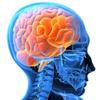 | For more information on brain health, including the anatomy of the brain, the effects of nutrition and exercise on the brain, and the effect of mental activity on health, see Brain Health. |
Dates
Tags


Created by: