- Importance of nutrition during pregnancy
- What and how much to eat during pregnancy
- Video: Food for two
- Vitamin and mineral requirements and supplements during pregnancy
- Foods to avoid during pregnancy
- Over-nutrition during pregnancy
- Under-nutrition during pregnancy
- Pregnancy and alcohol consumption
- Weight gain during pregnancy
- Managing morning sickness
- Dental health and nutrition during pregnancy
Importance of nutrition during pregnancy
 |
During pregnancy, a woman’s macronutrient (energy) and micronutrient (e.g. vitamins, mineral) requirements increase, and it is even more important that she consumes food which will give her both the energy and the specific micronutrients which are essential for maintaining her and her growing baby’s health. |
For more information, see Importance of Healthy Eating Before and During Pregnancy.
What and how much to eat during pregnancy
 |
Nutrition requirements change during pregnancy. Pregnant women should eat energy-giving foods, body-building foods and protective foods. They should avoid foods that are more likely to contain harmful pathogens (e.g. processed meats). Alcohol and caffeine may affect foetal development and should also be avoided. |
For more information, see What and How Much to Eat During Pregnancy.
Video: Food for two
 |
When it comes down to it, eating for two isn’t that different from eating for one. Dr Joe Kosterich explains the things to avoid, what’s fine to eat, and how much you should eat. |
Watch a video about what to eat during pregnancy.
Vitamin and mineral requirements and supplements during pregnancy
 |
To avoid poor nutrition, pregnant women must consume a range of micronutrients, to maintain specific body functions. While most micronutrients should be obtained from dietary sources, in some cases it is necessary for a pregnant woman to take vitamin or mineral supplements, in addition to eating a healthy balanced diet. |
For more information, see Vitamin and Mineral Requirements and Supplements during Pregnancy.
Foods to avoid during pregnancy
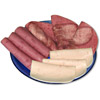 |
There are many foods which pregnant women should avoid to reduce their risk of infectious food-borne disease, as many food borne infections are associated with poor pregnancy (e.g. miscarriage) and foetal (e.g. low birth weight) outcomes. |
For more information, see Foods to Avoid During Pregnancy.
Over-nutrition during pregnancy
 |
Over-nutrition during pregnancy is common in developed countries and can create health risks for both the pregnant woman and her developing foetus. Some 43% of American women gain too much weight during pregnancy (compared to only 20% who do not gain enough weight). |
For more information, see Over-Nutrition Before and During Pregnancy.
Under-nutrition during pregnancy
 |
There are a range of adverse health effects associated with maternal under-nutrition. It can affect both the pregnant woman and developing baby in the short and long-term. Under-nutrition can be classified as either malnutrition or micronutrient deficiency. |
For more information, see Under-Nutrition Before and During Pregnancy.
Pregnancy and alcohol consumption
 |
When a pregnant woman drinks alcohol, it also enters the bloodstream of her foetus, and when excessive amounts of alcohol are consumed they can have damaging effects on the foetus. |
For more information, see Pregnancy and Alcohol Consumption.
Weight gain during pregnancy
 |
In general, most women gain between 11-16 kg throughout their pregnancy. The added weight results from the growing baby, the surrounding amniotic fluid and placenta, additional fat stores, growing breast and uterine tissue as well as an increase in blood volume. |
For more information, see How Much Weight to Gain During Pregnancy.
Managing morning sickness
 |
During pregnancy up to 70-85% of women experience symptoms of nausea and approximately 50% experience vomiting. Often referred to as ‘morning sickness‘ pregnancy induced nausea and vomiting can occur at any time of the day, and occurs most often when women are tired or hungry. |
For more information, see Nausea and Vomiting.
Dental health and nutrition during pregnancy
 |
There is emerging interest in the effect of the prenatal period on tooth development and the future risk of tooth decay for the child. Pregnancy, thus, is a critical time to focus on good dental hygiene. |
For more information, see Dental Health and Nutrition During Pregnancy.
More information
 |
For more information about pregnancy, including preconception advice, stages of pregnancy, investigations, complications, living with pregnancy and birth, see Pregnancy. |
 |
For more information on nutrition, including information on types and composition of food, nutrition and people, conditions related to nutrition, and diets and recipes, as well as some useful videos and tools, see Nutrition. |
All content and media on the HealthEngine Blog is created and published online for informational purposes only. It is not intended to be a substitute for professional medical advice and should not be relied on as health or personal advice. Always seek the guidance of your doctor or other qualified health professional with any questions you may have regarding your health or a medical condition. Never disregard the advice of a medical professional, or delay in seeking it because of something you have read on this Website. If you think you may have a medical emergency, call your doctor, go to the nearest hospital emergency department, or call the emergency services immediately.
Related Articles


Need a health appointment?
Find and book a doctor, dentist, physio and more on Healthengine
Find a practitioner