


 Login
LoginCold and Flu


- Common cold
- Types of flu
- Cold or flu: Which do I have?
- The human immune system
- Cold and flu prevention
- Natural remedies for cold and flu
- Influenza treatments
Common cold
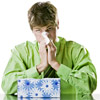 | The common cold is an acute infection of the throat and nasal passages. It may be caused by several different viruses, the most common of which are rhinoviruses. The term ‘common cold’ refers to a set of symptoms, rather than a specific disease. Mild influenza may have similar symptoms to the common cold. |
For more information, see Common Cold.
Types of flu
Influenza (flu)
 | Influenza is an acute respiratory illness caused by the influenza viruses, which can be classified as type A, B, or C. Influenza is different from the common cold in that it causes a more severe illness, with fever, headache, significant fatigue and muscle aches. It is less likely to cause sneezing or a ‘blocked nose’ with thick nasal discharge. |
For more information, see Influenza.
Avian influenza (bird flu)
 | Avian influenza, or bird flu, is an infectious disease of birds caused by type A strains of the influenza virus. There are several types of avian influenza. Those that cause infection and even death in humans are called highly pathogenic avian influenza (HPAI). Affected people are thought to have caught bird flu from direct contact with infected poultry. |
For more information, see Avian Influenza.
Swine influenza (swine flu)
 | Swine influenza or swine flu, more correctly named H1N1 influenza A, contains a mixture of genetic information from viruses that normally infect pigs in Europe and Asia as well as from viruses which normally affect bird and human hosts. It is believed that this virus spreads mainly from person to person via coughing or sneezing by infected people. |
For more information, see Swine Influenza.
Cold or flu: Which do I have?
 | Cold and flu both cause coughs, sneezing and runny nose. The difference between cold and flu is the combination and severity of symptoms. Read on to learn more. |
For more information, see Cold or Flu: Which Do I Have?
The human immune system
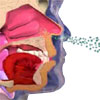 | The purpose of the immune system is to act as the body’s defence against possible harm from toxins, bacteria, fungi, parasites and viruses. The human immune system is divided into two broad groups, called the acquired immune system and the innate immune system. |
For more information, see Human Immune System.
Acquired immune system
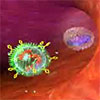 | The acquired immune system is responsible for the destruction of foreign particles once they have entered the body. During the first exposure to a foreign particle, the acquired immune system ‘learns’ how to attack and destroy it. A response to subsequent exposures can then be made more quickly and with greater force. |
For more information, see Acquired Immune System.
Innate immune system
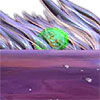 | The innate immune system includes those parts of the immune system that work no matter what is causing damage to the body, and does not need a lot of preparation. The major defences of the innate immune system are those that stop the infection from getting into the body in the first place. |
For more information, see Innate Immune System.
Cold and flu prevention
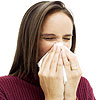 | Cold and flu can be prevented. The most important measure to prevent flu is to get vaccinated for influenza, but there are plenty of simple measures like healthy eating and hand washing that will help prevent you catching a cold or flu this winter. |
For more information, see Cold and Flu Prevention.
Cold and flu prevention at work
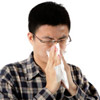 | Cold and flu spread easily in the workplace. Occupational health and safety measures for cold and flu prevention include employees getting a flu shot and infection control measures like hand washing and staying away from work while contagious. |
For more information, see Cold and Flu Prevention at Work.
Cough and sneeze etiquette
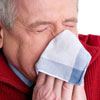 | Cough and sneeze etiquette refers to simple hygiene practices everybody can take to prevent passing on respiratory infections like cold and flu to other people. Even when you’re perfectly healthy, it’s important to practise proper cough and sneeze etiquette. |
For more information, see Cough and Sneeze Etiquette.
Flu vaccination
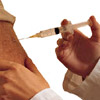 | Flu vaccines are products given to people so that their immune systems are better able to recognise flu (influenza) infection, and therefore has a better chance of fighting it off. Flu vaccines work by exposing the immune system to tiny amounts of the inactivated flu virus, causing it to produce flu-fighting antibodies. |
For more information, see Influenza Vaccination.
Video: preventing flu
 | Doctor Joe Kosterich discusses ways to prevent catching the flu. |
Watch the video Preventing Flu.
Natural remedies for cold and flu
 | When you have a cold or flu, symptoms like coughs and sniffles are annoying and can leave you feeling pretty miserable. But you’ll find many cold and flu can be temporarily relieved using natural remedies. |
For more information, see Cold and Flu: Natural Remedies.
Food and drink during cold or flu infection
 | Cold and flu reduce your appetite but healthy eating and drinking plenty of fluids not only helps you recover faster, it can relieve symptoms like sore throat and congestion. Find out more about foods that help relieve cold and flu. |
For more information, see Cold and Flu: What to Eat to Get Better Faster.
Cold and flu: what to eat to help relieve specific symptoms
 | Cold and flu can make you lose your appetite, however consuming the right foods and drinks in the right quantities can help relief symptoms like sore throats and blocked noses. |
Find out how to fight your cold and flu symptoms by eating and drinking.
Nasal sprays and washes for cold and flu
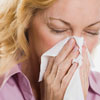 | Nasal irrigation using sprays and washes may be used to remedy cold and flu symptoms such as a blocked nose. A saline nasal wash can easily be made at home. |
Find out more about treating cold and flu symptoms with nasal sprays and washes
Influenza treatments
Video: Treating flu
| Dr Joe Kosterich discusses how to know you have a flu and how flus are different from colds, and how to treat the flu. |
Watch the video Treating Flu.
Tamiflu (oseltamivir)
 | Tamiflu (oseltamivir) is used to treat or prevent influenza in selected adults and children aged over 12 months. Tamiflu reduces the occurrence of complications associated with influenza infection, such as pneumonia. Treatment results in shortening of symptom duration by one day, and reduces by half a day the time to return to work. |
For more information, see Tamiflu.
Relenza (zanamivir)
 | Relenza (zanamivir) is used in the treatment of infections due to influenza A and B viruses in adults and children aged over 5 years. It is also used to prevent infection when vaccination is not appropriate, though it is not recommended as routine prophylaxis against influenza infection. |
For more information, see Relenza.
Panvax
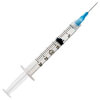 | Panvax is a vaccine containing inactive particles of the influenza (H1N1) virus. It is used to prevent infection with the influenza virus H1N1 strain (swine flu), and is approved for use in adults and children over 10 years of age. |
For more information, see Panvax.
Panvax Junior
 | Panvax Junior is a vaccine used to protect children aged over six months from influenza type H1N1 (swine flu). It is administered by injection, and the correct dose depends on the age of the child. |
For more information, see Panvax Junior.
Treating cold and flu symptoms with medication
 | Choosing medicines that treat the cold and flu symptoms you have is better than using a combination product that treat all cold and flu symptoms, some of which you may not have. |
Find out how to choose the right medicines to treat your symptoms.
Dates
Tags


Created by: