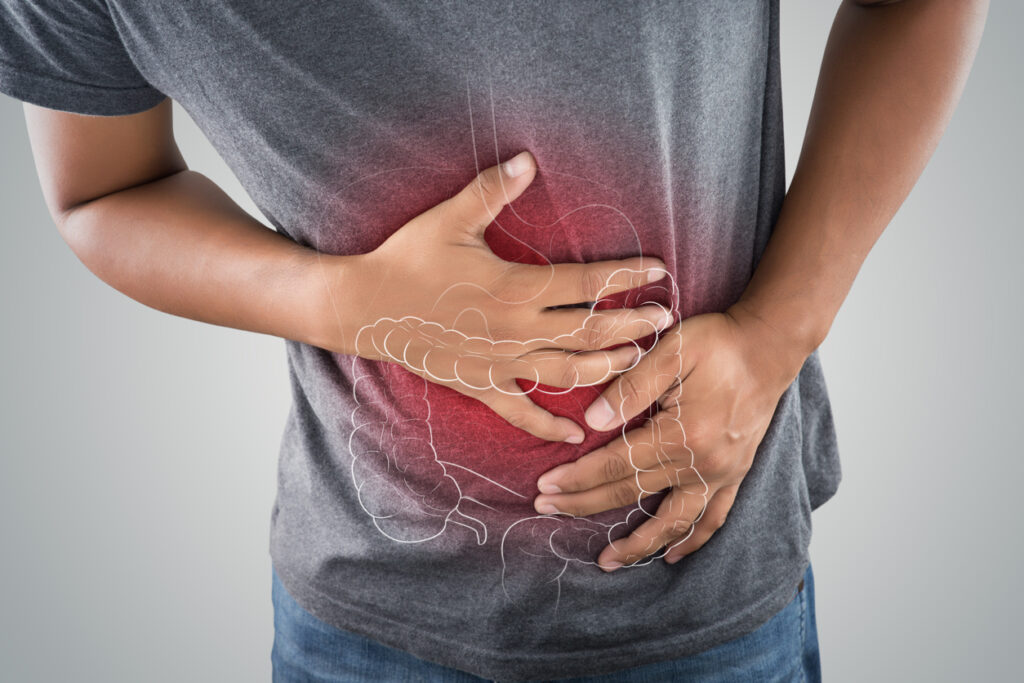
About reflux and heartburn
Acid reflux (GORD)
 |
Acid reflux (also known as gastro-oesophageal reflux disease, GORD or GERD) is a disease of the lower oesophagus and stomach. GORD involves inflammation and irritation of the lower oesophagus due to the reflux of food and gastric acid. This reflux of gastric contents is spontaneous and involuntary. As many as one in five people experience GORD symptoms at least once a week. |
For more information on the condition, see Gastro-Oesophageal Reflux Disease (GORD).
Heartburn
 |
Heartburn is the common classical symptom of GORD. It is experienced as a gripping discomfort below the breastbone that may be made worse by lying down, eating or bending. It is extremely common in the Australian population and, in most cases, can be easily managed with simple lifestyle changes and over-the-counter antacid medications. |
For more information on the condition, see Heartburn.
Video: Introduction to heartburn
 |
Dr Joe Kosterich explains what happens in heartburn, the different forms of heartburn, tests that can be used to diagnose it, and ways it can be managed.Watch a video about heartburn. |
Heartburn in pregnancy
 |
Heartburn is a symptom commonly experienced by pregnant women such that some women and obstetricians even consider it to be a normal occurrence in a healthy pregnancy. Heartburn refers to a burning sensation or warmth behind the lower end of the breastbone. Other common accompanying symptoms include a bitter taste, fullness, burping and difficulty swallowing. |
For more information, see Heartburn in Pregnancy.
Investigations
Endoscopy
 |
Endoscopy was first introduced in 1853 by Antoine Jean Desormeaux, who is considered by many to be the “father of endoscopy”. The first fibre optic endoscope was made possible by Basil Hirschowitz in 1954. Currently, endoscopy is used as a diagnostic and therapeutic tool for various indications, ranging from gastrointestinal exploration to knee surgery. |
For more information, see An Introduction to Endoscopy.
Upper endoscopy
 |
Endoscopy of the upper gastrointestinal tract is also referred to as oesophagogastroduodenoscopy (OGD), or gastroscopy for short. It passes a thin, flexible tube fitted with a camera through the mouth to the duodenum. It allows the physician to examine the mucosal lining of the oesophagus, stomach and duodenum. |
For more information on the investigation, see Upper Gastrointestinal Endoscopy.
Treatment
Managing the symptoms of GORD
 |
GORD often requires lifelong and regular use of antireflux therapies. Treatment tends to pursue three main aims: healing the damage to the oesophagus; preventing complications such as Barrett’s oesophagus, strictures (narrowing) and oesophageal cancer; and alleviating your symptoms and improving your quality of life. |
For more information on management, see Managing the Symptoms of GORD.
Helicobacter pylori eradication
 |
A particular bacteria, called Helicobacter pylori, can irritate the stomach and the beginning of the small bowel. H. pylori has been shown to cause and maintain ulcers and other problems in the stomach and in the duodenum. A specific treatment has been developed for the eradication of this bacteria. |
For more information, see Helicobacter Pylori Eradication.
Proton pump inhibitors (PPIs)
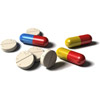 |
Proton pump inhibitors (PPIs) are a commonly prescribed class of medications whose main action is to create a pronounced and long-lasting reduction of stomach acid production. They are used for the treatment of a number of medical conditions, most often for GORD. They are the most potent inhibitors of acid secretion available today. |
For more information on these medications, see Proton Pump Inhibitors.
Somac
|
Somac contains the active ingredient pantoprazole. Somac specifically blocks the action of the H+/K+ ATPase – an enzyme that exists in certain stomach cells. This enzyme is responsible for making acid in the stomach. Thus Somac blocks gastric acid secretion in the stomach. |
For more information on the medication, see Somac Heartburn Relief, Somac (Oral) and Somac (Injection).
Pariet
|
Pariet contains the active ingredient rabeprazole. Pariet relieves the symptoms of reflux and ulcers by slowing down the secretion of acid by the cells that line the stomach. The acid suppression effect of Pariet occurs very quickly (within 2–4 hours) and lasts up to 23 hours after the first dose. Normal acid production can be decreased by 69%. |
For more information on the medication, see Pariet.
Nexium
|
Nexium contains the active ingredient esomeprazole. It is used for the treatment of GORD, gastrointestinal symptoms caused by NSAIDs, and (in combination with antibiotics) helicobacter pylori related ulcers. Nexium works by reducing the amount of acid produced by the stomach, giving relief from the symptoms and allowing time for the ulcer to heal. |
For more information on the medication, see Nexium.
Other medications for heartburn
Zantac
|
Zantac belongs to a class of drugs called histamine receptor antagonists. Its active ingredient, ranitidine, works by decreasing the amount of acid the stomach produces. Zantac is used for the treatment of peptic ulcer disease, GORD and heartburn. |
For more information on the medication, see Zantac.
Supportive care
Reflux Infants Support Association (RISA) Inc
 |
The Reflux Infants Support Association (RISA) Inc is an Australian not-for-profit community support organisation. It aims to provide moral and emotional support, encouragement and confidence to families of infants and children who suffer from GORD, as well as suggesting management strategies suitable for a child with GORD. |
For more information on this group, see Reflux Infants Support Association (RISA) Inc.
All content and media on the HealthEngine Blog is created and published online for informational purposes only. It is not intended to be a substitute for professional medical advice and should not be relied on as health or personal advice. Always seek the guidance of your doctor or other qualified health professional with any questions you may have regarding your health or a medical condition. Never disregard the advice of a medical professional, or delay in seeking it because of something you have read on this Website. If you think you may have a medical emergency, call your doctor, go to the nearest hospital emergency department, or call the emergency services immediately.
Related Articles


Need a health appointment?
Find and book a doctor, dentist, physio and more on Healthengine
Find a practitioner