


 Login
LoginAn Introduction to Endoscopy

- An introduction to endoscopy
- Upper endoscopy
- Capsule endoscopy
- Endoscopic Retrograde Cholangiopancreatography (ERCP)
- Colonoscopy
- Flexible sigmoidoscopy
An introduction to endoscopy
Endoscopy was first introduced in 1853 by Antoine Jean Desormeaux. The invention earned him the title of “father of endoscopy”. The first fibre optic endoscope was made possible by Basil Hirschowitz from the University of Alabama in 1954.
Currently, endoscopy is used as a diagnostic and therapeutic tool for various indications, ranging from gastrointestinal exploration to knee surgery.
In Australia, five major forms of diagnostic or therapeutic endoscopy are utilized:
- Upper endoscopy
- Capsule endoscopy
- ERCP
- Colonoscopy
- Rigid sigmoidoscopy
Upper endoscopy
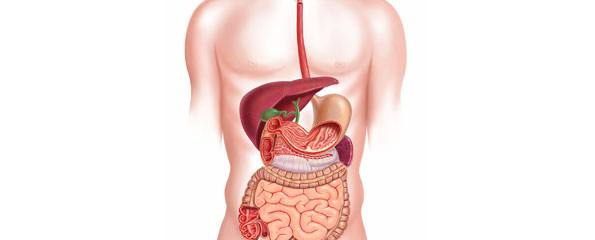
Upper endoscopy, also referred to as oesophagogastroduodenoscopy (OGD), is a procedure that allows a doctor to examine the state of the upper gastrointestinal tract (i.e. the oesophagus, stomach and duodenum). The procedure will usually be performed by a gastroenterologist or upper gastrointestinal general surgeon. It involves the insertion of an endoscope (a long flexible tube with a camera at the end) into the gastrointestinal tract through the mouth. It can be done with the patient alert or under general anaesthesia.
Capsule endoscopy
Capsule endoscopy involves swallowing a disposable capsule that contains a camera. The capsule takes 2-4 images per second for up to 8 hours. It was specifically developed for the visualisation of the small intestine, where pinpointing obscure bleeds or following up small bowel tumours are amongst its major applications. The capsule is swallowed and the images are transmitted to a recorder that is worn around the waist.
Endoscopic Retrograde Cholangiopancreatography (ERCP)
Endoscopic Retrograde Cholangiopancreatography (ERCP) is a common procedure that uses a side-viewing duodenoscope (long, slender and flexible tube) to pass from the mouth to the duodenum (the initial curved section of the small intestine). Here instruments are passed down the tube to the ampulla of Vater (where the common bile duct empties into the duodenum). Contrast material is injected into the biliary tree and pancreatic ducts so they can be viewed by the physician and x-rays taken. ERCP is used primarily in the diagnosis and management of bile duct stones, and other conditions such as strictures (narrowing due to scars), leaks and cancers.
Colonoscopy
Colonoscopy is performed by passing a flexible colonoscope through the anal canal into the rectum and colon. It is the investigation of choice for diagnosis of colonic mucosal disease. Colonoscopy does require the large bowel to be cleaned out of all waste material.
Flexible sigmoidoscopy
Flexible sigmoidoscopy is similar to colonoscopy. It is used to visualize only the rectum and a portion of the left colon. This procedure causes abdominal cramping, but it is brief and is almost always performed without sedation. Flexible sigmoidoscopy is used for colorectal cancer screening and for evaluation of diarrhoea and haematochezia.
References
- Braunwald, Fauci, Kasper, Hauser, Longo, Jameson. Harrison’s Principles of Internal Medicine. 15th Edition. McGraw-Hill. 2001.
- Kasper DL BE, Fauci AS,Hauser SL,Lungo DL. Harrison’s Principles of Internal Medicine. 16th ed. McGraw-Hil. 2005.
- Dam JV, Brugge WR. Endoscopy of the upper gastrointestinal tract. N Engl J Med. 1999; 341(23): 1738-48.
- Kasper DL BE, Fauci AS, Hauser SL, Lungo DL. Harrison’s Principles of Internal Medicine. Sixteenth edition. 2005.
- Brugge, Van Dam. ‘Pancreatic and biliary endoscopy.’ The New England Journal of Medicine. 1999, vol. 341, no. 24, pp 1808-1816.
- Longmore, Wilkinson, Rajagopalan. Oxford Handbook of Clinical Medicine. 6th Edition. Oxford University Press. 2004.
- Subramanian S, Amonkar MM, Hunt TL. Use of colonoscopy for colorectal cancer screening: evidence from the 2000 National Health Interview Survey. Cancer Epidemiol Biomarkers Prev 2005; 14(2): 409-16.
- Gabel, Muller S. Aspiration: a possible severe complication in colonoscopy preparation of elderly people by orthograde intestine lavage. Digestion 1999; 60: 284-5.
Dates
Tags


Created by: