- What is Muscular Dystrophy?
- Statistics
- Risk Factors
- Progression
- Symptoms
- Clinical Examination
- How is it Diagnosed
- Prognosis
- Treatment
What is Muscular Dystrophy?
The muscular dystrophies are a group of hereditary and genetic muscle diseases mainly characterised by the presence of progressive skeletal muscle weakness. There is usually a defect or deficiency in essential muscle proteins which is accompanied by the death of muscle cells and tissues. Cardiac and smooth muscle may be affected in some types of muscular dystrophy. The major types of muscular dystrophy include:
- Becker’s muscular dystrophy (BMD) – usually noticeable at adolescence
- Congenital muscular dystrophy (CMD) – usually noticeable at birth
- Distal muscular dystrophy
- Duchenne muscular dystrophy (DMD)
- Emery-Dreifuss muscular dystrophy (EDMD)
- Facioscapulohumeral dystrophy (FSHD)
- Fukuyama congenital muscular dystrophy (FCMD)
- Limb-girdle muscular dystrophy (LGMD)
- Myotonic muscular dystrophy
- Oculopharyngeal muscular dystrophy
- Severe childhood autosomal recessive muscular dystrophy
Statistics
The muscular dystrophies are the most common form of hereditary disease. The most common form of muscular dystrophy is Duchenne muscular dystrophy, followed by facioscapulohumeral and myotonic. The approximate incidence is as follows:
- DMD: 1 in 3300 live male births
- BMD: 1 in 18000 live male births
- Congenital myotonic dystrophy: 1 per 10 000 births
- FSFHD: Prevalence of 1 in 20,000 Males are more affected than females. Depending on the type of muscular dystrophy, it can be first apparent from birth right through to adolescence.
Risk Factors
The muscular dystrophies are all hereditary conditions thus the main predisposing factor is genetics. For X-linked muscular dystrophies (the way in which it is inherited), being male has a much larger predisposition for the disease whilst females may carry the gene but not have the disease. For autosomal dominant muscular dystrophies, an affected parent is a increased risk factor.
Progression
The natural history of muscular dystrophy depends on the type. In DMD and some cases of BMD there is progressive weakness, contractures and the inability to walk. A kyphosis (back deformity) may develop which can lead to respiratory difficulty and hence an early death (DMD~16 years, BMD~42 years). With some other types of muscular dystrophy there is slow progression and thus a near normal lifespan. Some complications that may arise from muscular dystrophy (depending on the type) include cardiac arrhythmias, hypertension, dysphagia, malignant hyperthermia, respiratory problems, cataracts and hearing loss.
How is it Diagnosed
The primary general investigation is creatinine kinase which is markedly elevated in most forms of muscular dystrophy.
Prognosis
The course and prognosis of muscular dystrophy varies according to the type of muscular dystrophy and the progression of the disorder. Some cases may be mild and very slowly progressive, with a near normal lifespan, while other cases may have more marked progression of muscle weakness, functional disability and loss of ambulation.
Treatment
The broad aim of treatment for muscular dystrophy is to lessen the impairments of the disease and to deter functional limitations and disability. The treatment is usually on an outpatient basis, with the involvement of neurologists, orthopaediacs, physical and occupational therapists, social workers and orthotists. Treatment is aimed at:- Preventing contractures: active and passive stretching, physical therapy, positioning and splinting
- Maintaining muscle strength
- Promoting cardiopulmonary endurance
- Maintaining mobility and ambulation: the use of bracing and walking aids
- Monitoring pulmonary and cardiac function
- Vaccinating against influenza and pneumococcal infections when wheel chair bound and if on steroids
Surgical intervention may be necessary in some cases. It is essential to keep an appropriate exercise and diet regime as weight control is essential. The cardiac problems that occur with Emery-Dreifuss muscular dystrophy and myotonic muscular dystrophy may require a pacemaker. Genetic counselling may be required as well as family and individual counselling therapy.
All content and media on the HealthEngine Blog is created and published online for informational purposes only. It is not intended to be a substitute for professional medical advice and should not be relied on as health or personal advice. Always seek the guidance of your doctor or other qualified health professional with any questions you may have regarding your health or a medical condition. Never disregard the advice of a medical professional, or delay in seeking it because of something you have read on this Website. If you think you may have a medical emergency, call your doctor, go to the nearest hospital emergency department, or call the emergency services immediately.
Related Articles

Alzheimer’s disease is a progressive neurological disorder that…
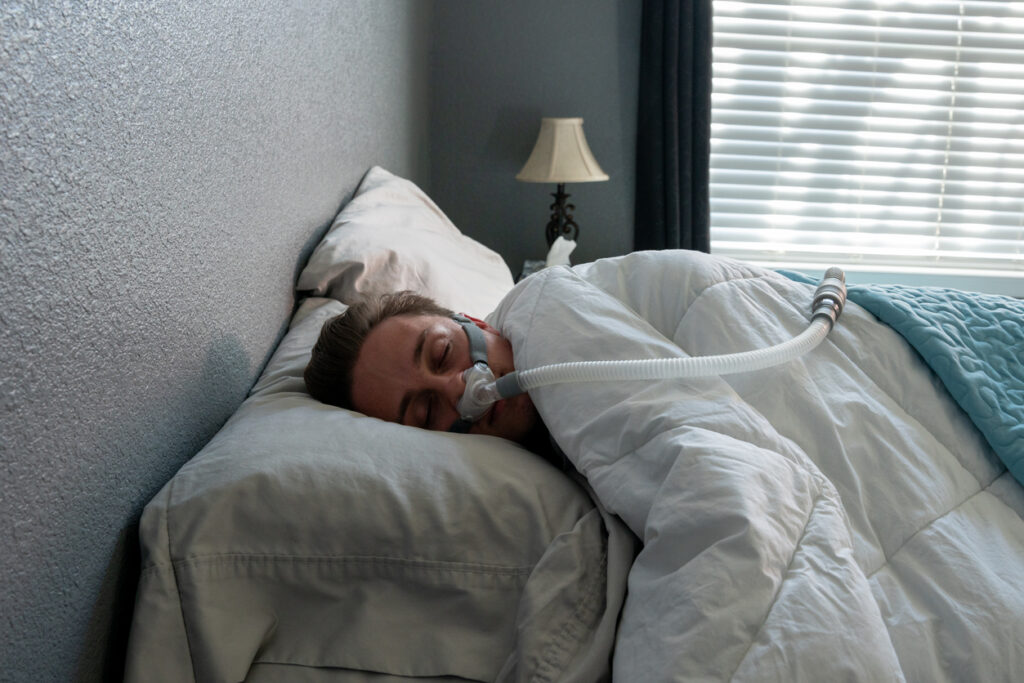
Obstructive sleep apnoea (OSA) is a prevalent and…

The world of healthcare is rapidly changing, and…
Need a health appointment?
Find and book a doctor, dentist, physio and more on Healthengine
Find a practitioner