- What is menopause?
- Statistics on menopause
- Risk factors for menopause
- Progression of menopause
- Symptoms of menopause
- Clinical examination of menopause
- How is menopause diagnosed?
- Prognosis of menopause
- How is menopause treated?
- Menopause references
What is menopause?
Menopause is the term used when women permanently stop having menstrual periods. It can be diagnosed after one year with no periods following the final menstrual period (FMP). Menopause may occur naturally, or may occur due to chemotherapy, surgery, or radiation.Natural menopause occurs when the ovaries stop producing oestrogen, and finish releasing eggs that may be fertilised by sperm to result in pregnancy. The change in hormone levels means the uterus (womb) no longer prepares itself for pregnancy each month, which is why periods no longer occur. This decrease in function of the ovaries occurs gradually, and the timing is due to the genes a woman inherits from her parents. The process usually begins in the mid to late thirties, and the ovaries completely fail to work (signifying menopause) by the time she is in her mid to late forties or fifties. The average age at menopause is 51 years.
In the 1900s, the average life expectancy for women was 56 years, compared with approximately 80 years today. Women now live around a third of their life span after they reach menopause, which did not occur in the past. Therefore, health issues related to menopause are a fairly new phenomenon.
Stages of menopause
 The stages of a woman’s reproductive life and menopause may be summarised as follows:
- Reproductive period (the years when periods occur regularly, and women are able to have children);
- Menopausal transition(variation in menstrual cycle length):
- Early stage;
- Late stage;
- Final menstrual period (FMP);
- Post menopause:
- Early stage;
- Late stage.
The reproductive period begins with the first menstrual period (menarche), which occurs in Australian girls at an average age of 12.8 years. The reproductive period finishes at the menopausal transition. Although fertility reduces significantly during the transition, a woman may potentially conceive until menopause.
The menopausal transition isthe progression from the ovaries functioning normally, until they fail. This may span several years, and the start of transition is identified by variation in menstrual cycle length (the time between periods). The early stage of menopausal transition is characterised by menstrual cycles that are more than 7 days different from the normal length (21–35 days). The late stage is characterised by two or more missed cycles, and lack of periods (amenorrhoea) lasting 60 or more days. The late stage of menopausal transition is the period when symptoms, due to the body being deprived of oestrogen, start to occur. Hot flushes are the most common symptom of late transition.
The completion of the menopausal transition is the final menstrual period (FMP). The term menopausal transition is interchangeable with pre-menopause, although officially pre-menopause should refer to the entire reproductive period up to the FMP.
The term perimenopause means ‘around the menopause’. Perimenopause starts with the early stage of the menopausal transition, and ends 12 months after the FMP.
Post-menopause is the time dating from the FMP, and applies whether menopause occurs naturally, or whether it is due to surgery or another intervention. Post-menopause is also divided into two stages. Early post-menopause refers to the first five years after the FMP. During this stage, there may be ongoing and complete loss of function of the ovaries, and the density (and strength) of a woman’s bones is quickly lost due to the lack of oestrogen. Late post-menopause begins 5 years after the FMP, and continues for as long as the woman lives.
Other terminology
- Climacteric: Climacteric refers to the phase of ageing in which women make the transition from the reproductive to the non-reproductive state. This phase includes perimenopause, although it extends for a longer period before and afterwards.When the climacteric is associated with symptoms, it may be termed the ‘climacteric syndrome’;
- Premature menopause: Premature menopause refers to menopause occurring before the age of 40 years. Approximately 1% of women experience premature menopause;
- Early menopause: Early menopause is defined as menopause occurring between the ages of 40 and 45 years;
- Late menopause: Late menopause refers to menopause occurring after the age of 55;
- Induced menopause: Induced menopause refers to menopause caused by something other than the natural process. For example, periods may permanently stop after the surgical removal of both ovaries (i.e. surgical menopause), or after procedures such as chemotherapy or radiotherapy damage the ovaries so they can no longer function.
Statistics on menopause
 All women who live long enough will experience menopause. Natural menopause may occur at 40–58 years of age, although it usually occurs at 45–55 years. The average age at menopause is 51 years.
The average age of onset of menopausal transition is 47.5 years, and it commonly lasts 4–5 years.
Late menopause (after the age of 55) takes place in 5% of women.
Early menopause (between 40 and 45 years) occurs in 5% of women.
Premature menopause or ‘premature ovarian failure’ (before the age of 40) is experienced by approximately 1% of women.
Risk factors for menopause
Factors thought to influence a woman’s age at menopause include:
- Genetics: A family history of early menopause results in a greater risk of a woman undergoing an earlier than average menopause herself;
- Smoking: Menopause occurs two years earlier in women who smoke;
- Ethnicity: Hispanic women undergo natural menopause earlier than Caucasian women, while Japanese-American women undergo menopause later than their Caucasian counterparts;
- Reproductive history: Women who have never had children may have earlier menopause;
- Menstrual history: Women who experienced short menstrual cycle length during adolescence experience menopause earlier than those who did not; and
- Other factors may contribute to earlier menopause, such as type 1 diabetes mellitus.
Women who have an oophorectomy (surgical removal of their ovaries) will immediately cease their periods (surgical menopause).
Women who have removal of their uterus (hysterectomy) without removal of the ovaries brings menopause forward by an average of 2-4 years. The time of menopause is difficult to define in this group, because although menstruation stops with hysterectomy, the ovaries continue to produce hormones.
Progression of menopause
The menopausal transition ends with menopause, which represents permanent infertility and loss of menstrual periods. Despite the permanent nature of hormonal changes in menopause, symptoms such as hot flushes go away with time, usually over the course of 3–5 years (although they may continue for decades in some women).
Some symptoms such as thinning of the lining of the vagina (genital atrophy) continue throughout the post-menopausal period, and may worsen with time.
Because of the lack of oestrogen, post-menopausal women are at a long-term increased risk of developing conditions such as osteoporosis, cardiovascular disease, urinary incontinence, urinary tract infections, and genital prolapse.
Symptoms of menopause
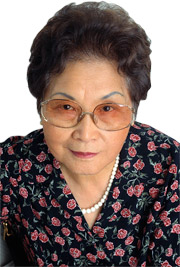 The impact of menopause is different for every women. For some, it causes very little disruption to her life with no symptoms, and for others there are severe disabling symptoms with significant disruption to quality of life. The majority of women experience symptoms of menopause, although some 20% of women have no symptoms and a further 60% experience only mild symptoms.
The symptoms most commonly associated with menopausal transition (in addition to menstrual changes) are hot flushes and vaginal dryness. Hot flushes are experienced by up to 70% of women who undergo natural menopause and almost 100% of those who have surgically-induced menopause. Other less consistently associated symptoms include sleep disturbance, urinary complaints, sexual dysfunction, and mood and quality of life disturbance.
Most women find that menopausal symptoms go away on their own within 5 years of starting, although symptoms related to thinning of the lining of the vagina and bladder often continue in post menopausal years.
The lack of oestrogen during and after menopause is associated with negative effects on the body in the organs that are sensitive to oestrogen. These include the bones, brain, skin, and urogenital and cardiovascular systems.
The experience of menopause can vary according to a woman’s ethnic and cultural background.
Menstrual changes
The decrease in ovary function associated with the final stages of the reproductive period results in reduced fertility, increased rates of spontaneous miscarriage, and irregular menstrual periods.
Vasomotor symptoms
‘Vasomotor symptoms’ refers to changes in the blood vessels that are experienced as hot flushes. These are the most common acute symptom experienced in the menopausal transition and post-menopause. Hot flushes are experienced as a sudden sensation of heat, centred on the upper chest and face and rapidly becoming generalised. The sensation of heat may be associated with redness, intense perspiration (sweating), occasionally with palpitations, and usually lasts 2–4 minutes. The flush may be followed by chills, shivering, and occasionally irritability or anxiety.
Flushes may range in frequency from one or two a year, to as often as 12 per hour. They are common at night (known as night sweats). Hot flushes are more common in some cultures than others, occurring in up to 75% of menopausal women in some cultural groups.
Approximately 20% of women seek medical attention for their hot flushes, which are usually self-limiting, stopping without treatment in 1–5 years.
 |
For more information, see Hot Flushes in Menopause. |
Vaginal dryness and discomfort
Atrophic vaginitis refers to thinning of the vaginal lining (epithelium) due to a lack of oestrogen. Symptoms may include vaginal dryness, itching and uncomfortable sexual intercourse. The overall rate of vaginal dryness in women aged 40–55 years is approximately 13%, and is lower in early menopausal transition. Three years after menopause, the rates may be as high as 47%.
Sexual dysfunction
In addition to vaginal dryness and uncomfortable sexual intercourse, lack of oestrogen results in decreased blood flow to the vagina and vulva. As a consequence, there is reduced vaginal lubrication. Lack of oestrogen may also affect nerves, reducing sensation in the clitoris and vulva. The flexibility of the vaginal walls may reduce, and the vagina may become shorter or narrower. Staying sexually active may prevent these changes in vaginal size and shape.
 |
For more information, see Sexual Changes in Menopause. |
Urinary symptoms
Reduction in oestrogen at menopause results in thinning of the lining of the urethra, which is the outlet from the bladder through which urine leaves the body. As a result, the urethra may become irritated and lose some of its ability to hold urine back, which increases the rates of urinary stress and urge, worsening with age. Repeated urinary tract infections may also occur.
Sleep disturbance
Women who experience hot flushes often have their sleep disturbed by them. Other sleep disorders are also common in menopausel women, including insomnia.
 |
For more information about sleep, including how much is good for you, tips for getting more sleep, and sleep disorders, as well as some useful videos, see Sleep. |
Mood symptoms
The most common mood symptoms reported around the menopause are irritability, nervousness and frequent mood swings. In addition, there seems to be an association between menopausal transition and risk for depression. It is possible that women with a history of depression or pre-menstrual syndrome (PMS) are at greater risk of depressive symptoms during menopausal transition.
 |
For more information, see Mood Swings in Menopause. |
Memory and concentration problems
There has been a suggestion that oestrogen plays a role in memory and concentration, and that difficulty in these areas may occur around menopause. This theory has not been proven by research into the area.
Skin changes
Wrinkles and other signs of ageing skin may be affected by a lack of oestrogen decreasing the amount of collagen within the skin.
Breast pain
Pain or tenderness in the breast occurs more commonly during early menopausal transition and reduces during late menopausal transition. Any new breast symptom, including pain, breast lumps, nipple or skin changes, or nipple discharge, should be discussed with a doctor in order to exclude serious breast disease.
Migraines
Migraines may be made worse by changes in hormones. They may be more common and intense during the menopausal transition.
Impaired balance
It is possible that a lack of oestrogen results in reduced balance. There is a significant increased risk of wrist fracture (usually caused by falling on an outstretched hand) that occurs at age 50. This increased risk is not entirely explained by increased rates of osteoporosis, which occurs gradually.
Osteoporotic fractures
There is a significant decrease in bone density related to menopause as a result of oestrogen deficiency. This reduction in the thickness of bone means it is weaker, and more likely to break with minimal trauma. Osteoporosis may not have any symptoms until a fracture occurs.
Symptoms related to cardiovascular disease
Cardiovascular disease (CVD) is the leading cause of death in post-menopausal women.There is an increased risk of CVD in women who experience early natural menopause. Despite this, it has not been proven that menopause itself is directly responsible for increased risk of CVD.
Clinical examination of menopause
 Menopausal women should see their doctor for examination, which may include:
- General physical examination;
- Breast examination; and
- Pelvic examination.
Clinical examinations take a holistic approach to health, rather than simply looking for features of menopause in isolation. A thorough assessment of the health of the cardiovascular system, respiratory system and bones may detect common age-related health problems, and help to create a management plan.
Clinical examination also looks for physical features of menopause such as dry hair and skin. Evidence of other conditions that may mimic menopause, such as thyroid disease, depression and cancer, will also be noted by your doctor.
Breast examination is carried out regularly due to an increased risk of breast cancer as women get older.
Pelvic examination is carried out to assess for complications of menopause such as urogenital atrophy, and may include a pap smear in women aged less than 70 years.
How is menopause diagnosed?
The diagnosis of menopause in women over the age of 45, without abnormal causes for their periods stopping, is made based on their symptoms and menstrual history. No tests to prove menopause has occurred are required. In fact, hormone levels vary a great deal, and do not usually prove that menopause has taken place.
Post-menopausal women may require tests for bone density and cholesterol levels. Pap smears need to be carried out according to national screening recommendations (usually every two years).Mammography to screen for breast cancer is recommended every two years from the ages of 50 to 69.
Bleeding from the vagina after menopause may require investigations for disorders such as atrophic vaginitis, or cancer of the uterus, and must be discussed immediately with your doctor. Warning signs that a change in menstruation may be caused by dangerous conditions include bleeding after sex, bleeding between periods, or bleeding after menopause. Women at an increased risk are those with a family history of gynaecological, breast or bowel cancer, or those who have used oestrogen therapy without progesterone.
Prognosis of menopause
In Australia, life expectancy for women who reach menopause at age 51 is approximately 30–35 years. Australian Aboriginal women have a lower life expectancy, living an average of 10–15 years after menopause.
There is a small increase in lifespan with greater age at menopause. Death due to cardiovascular disease is reduced by 2% with each increasing year of age at menopause. On the other hand, the risk of death from cancer of the uterus or ovaries is increased with advancing age at menopause.
How is menopause treated?
General education
 All perimenopausal and post-menopausal women need to see their doctor, who will offer information and counselling regarding menopause, the consequences of menopause and options for managing the symptoms of menopause.
Lifestyle
Your doctor will advise you on relevant lifestyle advice that may improve your symptoms, including:
- Stress reduction;
- Regular exercise;
- Achieving and maintaining optimal weight;
- Healthy diet;
- Quitting or avoiding smoking;
- Good sleep hygiene; and
- Avoidance of excessive alcohol or caffeine intake.
Hormone therapy
Menopausal hormone replacement therapy (HRT) refers to use of oestrogen therapy alone, or a combination of oestrogen and progesterone therapy. Oestrogen therapy on its own (without progestogen) increases the risk of endometrial cancer. For this reason, women who have not had a hysterectomy will have combined oestrogen and progestin therapy, unless there are exceptional circumstances. Women who have had a hysterectomy may have oestrogen therapy alone.
HRT is the most effective treatment for menopausal symptoms. However, due to associated risks and side effects, it will be used for the shortest period required, at the lowest possible dose, and restricted to women who have significant symptoms. The decision to start HRT, and what form is used, will be tailored for each woman.
The advantages of HRT include:
- Effective relief from menopausal symptoms (hot flushes, night sweats, sleep disturbance, vaginal atrophy and associated sexual problems), which is the main reason for its use;
- Prevention of bone loss when given at or near menopause, and continued reduction in bone loss for 10–15 years after menopause, with resulting lower fracture risk; and
- A significant reduction in the risk of colorectal cancer, but only after 4–5 years of HRT.
Despite these advantages, HT will not be used simply to prevent disease, because the research into this area is not conclusive.
The risks of HRT include:
- Continuous combined HRT has been linked to breast cancer,with a 35% increase in risk after 10 years of hormone use.Due to this increased risk, it is recommended that women, in consultation with their doctor, slowly reduce then stop their HRT after 4–5 years of treatment. If symptoms continue, women need to speak with their doctor about risks and benefits of treatment before choosing to continue with the lowest effective dose of HRT;
- Oral HRT more than doubles the risk of blood clots in the veins. This risk is greatest in the first 2 years of use;
- It is not clear whether HRT increases the risk of stroke. Some studies have suggested there may be an increased risk in women aged 60–79 years, and that risk may increase after 3 years of therapy;
- There is not enough evidence to confirm a possible increase in risk of ovarian cancer with HRT use;
- HRT may increase the risk of heart attack (after one year of use);
- HRT may increase the risk of gallbladder disease; and
- HRT may increase the risk of dementia in women over 65 years.
Early follow-up with your doctor after starting HRT is recommended in order to review symptoms and adjust the dose as required. Your doctor will administer the lowest effective dose.You need to book in a full gynaecological examination with your doctor every 2 years.
Other medications
 Other medications are less effective than HRT at relieving menopausal symptoms, so they tend to be used when HRT is not appropriate.
Gabapentin
Gabapentin is a medication that was designed to prevent seizures, and is also used to treat pain due to nerve problems. It has been found to reduce the frequency and severity of hot flushes by 20–30%. The main negative effects associated with gabapentin used in menopause include dizziness/unsteadiness and fatigue/sleepiness.
Antidepressants
Certain types of antidepressants may be effective for short-term reduction of symptom severity, particularly of hot flushes.There is limited evidence of efficacy for other symptoms. Side effects of these medications include dry mouth, reduced appetite, nausea, constipation, and drowsiness.
Tibolone
Tibolone is a man-made steroidal hormone. It is an effective option for reducing hot flushes and vaginal dryness, and may increase sexual satisfaction. Rates of breast cancer and stroke associated with tibolone may be similar to those associated with standard HRT. Tibolone is not recommended for use in women with known or suspected breast cancer.
Clonidine
Clonidine is a blood pressure medication that has been used for many years to treat hot flushes. However, research supporting its use is limited, with no long-term data available, and most women do not find it useful. Side effects include dry mouth, constipation, insomnia, headache, and drowsiness.
Testosterone
There is no evidence supporting the use of testosterone alone for treating menopausal symptoms. Adding testosterone to HRT does not alter hot flushes, but does appear to improve sexual responsiveness and sex drive (libido) when compared to oestrogen therapy alone. It is not associated with significant male hormone related side effects such as hairiness or acne.
Natural therapies
Many women choose natural therapies to manage their hormonal symptoms because they worry about the side effects of hormonal therapy. However, there is little evidence to support the effectiveness of natural therapies, and their safety profiles and drug interactions are largely unknown.
Herbal supplements
Many herbal supplements are marketed for the treatment of menopausal symptoms:
- Ginseng is used to improve energy levels and wellbeing. It may be associated with post-menopausal bleeding and breast pain;
- Black cohosh is marketed for use to reduce symptoms of hot flushes and sleep disturbance, though it has been linked to liver failure;
- Dong quai is used to treat hot flushes, and may interact with warfarin to increase bleeding risk;
- Gingko biloba is marketed as improving mood and thinking, but it has not been shown in studies to improve menopausal symptoms;
- Evening primrose oil does not appear to be effective in treating hot flushes, though it may reduce breast discomfort, and appears to be relatively safe;
- Kava-kava is used to treat anxiety, though its effects on menopausal symptoms are unclear and it has been linked with liver damage;
- St John’s wort is used to treat mood symptoms. It interacts with many drugs so, like all supplements, it should not be used without consultation with a health professional.
Dietary supplements
Phyto-oestrogens, a type of natural plant-based oestrogen, are found in lignans (cereals such as oats and barley, fruit, vegetables, and seeds such as linseed) and isoflavones (legumes, lentils, chickpeas, tofu, soya beans and soy products). Although more research still needs to be done, phyto-oestrogens may be useful for reducing hot flushes, and may reduce loss of bone density and prevent vaginal atrophy.
A recent review of evidence found that red clover isoflavones significantly improved depression and mood compared to women who did not receive the treatment. These results have been confirmed in a further randomised controlled trial which showed a 76% reduction in depression and anxiety symptoms in a group of post-menopausal women receiving 80mg red clover twice daily, compared to a 21% improvement in placebo. However, researchers were unsure whether the improvement in mood was a direct result of the supplement or an indirect result due an 80% improvement in hot flushes.
Another isoflavone, soy protein, has not demonstrated any significant improvement of irritability, depression or anxiousness.
Preventing future health risks
Osteoporosis and fracture risk
 Your doctor will discuss the therapy options available, and will individualise treatment specifically for you. Options include:
- Weight-bearing exercise, which will slow the rate of bone loss. It should be carried out for at least 30 minutes, three times per week;
- HRT (particularly appropriate if you are also experiencing short-term menopausal symptoms);
- Calcium, magnesium and vitamin D supplements. All post-menopausal women require 1,500 mg of calcium each day, which is often obtained through a healthy diet, plus a 1,000 mg daily supplement. Vitamin D helps the body absorb the calcium into the bone;
- Bisphosphonates;
- Strontium ranelate; and
- Raloxifene (a selective oestrogen receptor modulator).
Coronary heart disease
Risk of coronary heart disease can be minimised by:
- Quitting smoking;
- Achieving normal blood pressure;
- Lowering body fat, LDL (bad) cholesterol and blood fat levels;
- Increasing HDL (good) cholesterol; and
- Achieving good blood sugar control, especially for women with impaired glucose tolerance or diabetes.
Controlling hot flushes
- Dress lightly and in layers;
- Avoid caffeine, alcohol, and spicy foods;
- Avoid smoking;
- Maintain a healthy weight;
- HRT is particularly effective;
- Antidepressants can be used by women who cannot take oestrogen;
- Gabapentin is an antiepileptic medication that is also used to treat neuropathic pain. It has been found to relieve hot flushes in some women;
- Injectable progesterone (medroxyprogesterone) may help and can be used long-term. Its side effects include weight gain and loss of bone density; and
- There is some evidence that phyto-oestrogens are effective. Results from studies of the isoflavone red clover to treat hot flushes have been conflicting,though it appears to be well tolerated.For other phyto-oestrogens, including soy isoflavone extracts and soy dietary supplements, there is currently insufficient evidence to determine whether they are effective.
Vaginal dryness, dyspareunia and urinary symptoms
- Oestrogen effectively relieves the symptoms of vaginal atrophy. Oestrogen may be taken as tablets or injections, or applied locally in the form of creams, pessaries or hormone-releasing vaginal rings. All methods of delivering oestrogen effectively relieve symptoms.Some creams may cause side effects and women in one study preferred vaginal rings;
- The use of lubricants during sexual intercourse is helpful;and
- Pelvic floor (Kegel) exercises can help with bladder control, and there are some medications that can also help with bladder symptoms.
Memory decline
HRT has no benefit in terms of memory, and may in fact have a negative effect on memory in women over the age of 65 without underlying dementia.
More information
 |
For more information on menopause, including symptoms and management of menopause, as well as some useful animations and videos, see Menopause. |
Menopause references
- Soules MR, Sherman S, Parrott E, et al. Executive summary: Stages of Reproductive Aging Workshop (STRAW). Fertil Steril. 2001;76(5):874-8. [Abstract]
- Position statement: Scientific definitions for menopause related terminology [online]. Buderim, QLD: Australasian Menopause Society; 27 August 2002 [cited 8 August 2010]. Available from: URL link
- Nelson HD, Haney E, Humphrey L, et al. Management of menopause-related symptoms. Summary, Evidence Report/Technology Assessment No. 120. AHRQ Publication No. 05-E016-1 [online]. Rockville, MD: Agency for Healthcare Research and Quality; March 2005. [cited 16 August 2010]. Available from: URL link
- Al-Azzawi F, Palacios S. Hormonal changes during menopause. Maturitas. 2009;63(2):135-7. [Abstract]
- Cobin RH, Futterweit W, Ginzburg SB, et al. American Association of Clinical Endocrinologists medical guidelines for clinical practice for the diagnosis and treatment of menopause. Endocr Pract. 2006;12(3):315-37. [Full text]
- Gold EB, Bromberger J, Crawford S, et al. Factors associated with age at natural menopause in a multiethnic sample of midlife women. Am J Epidemiol. 2001;153(9):865-74. [Abstract | Full text]
- Shaw LM, Shaw SL. Menopause, evolution and changing cultures. Menopause Int. 2009;15(4):175-9. [Abstract]
- Anderson CA, Zhu G, Falchi M, et al. A genome-wide linkage scan for age at menarche in three populations of European descent. J Clin Endocrinol Metab. 2008;93(10):3965-70. [Abstract | Full text]
- Taffe JR, Dennerstein L. Menstrual patterns leading to the final menstrual period. Menopause. 2002;9(1):32-40. [Abstract]
- McKinlay SM, Brambilla DJ, Posner JG. The normal menopause transition. Maturitas. 1992;14(2):103-15. [Abstract]
- Miro F, Parker SW, Aspinall LJ, et al. Origins and consequences of the elongation of the human menstrual cycle during the menopausal transition: The FREEDOM Study. J Clin Endocrinol Metab. 2004;89(10):4910-5. [Abstract | Full text]
- Hall JE. Neuroendocrine physiology of the early and late menopause. Endocrinol Metab Clin North Am. 2004;33(4):637-59. [Abstract]
- Hale GE, Zhao X, Hughes CL, et al. Endocrine features of menstrual cycles in middle and late reproductive age and the menopausal transition classified according to the Staging of Reproductive Aging Workshop (STRAW) staging system. J Clin Endocrinol Metab. 2007;92(8):3060-7. [Abstract | Full text]
- Santoro N, Brown JR, Adel T, Skurnick JH. Characterization of reproductive hormonal dynamics in the perimenopause. J Clin Endocrinol Metab. 1996;81(4):1495-501. [Abstract]
- Mattingly RF, Huang WY. Steroidogenesis of the menopausal and postmenopausal ovary. Am J Obstet Gynecol. 1969;103(5):679-93. [Abstract]
- Hee J, MacNaughton J, Bangah M, Burger HG. Perimenopausal patterns of gonadotrophins, immunoreactive inhibin, oestradiol and progesterone. Maturitas. 1993;18(1):9-20. [Abstract]
- de Bruin JP, Bovenhuis H, van Noord PA, et al. The role of genetic factors in age at natural menopause. Hum Reprod. 2001;16(9):2014-8. [Abstract | Full text]
- Weel AE, Uitterlinden AG, Westendorp IC, et al. Estrogen receptor polymorphism predicts the onset of natural and surgical menopause. J Clin Endocrinol Metab. 1999;84(9):3146-50. [Abstract | Full text]
- He C, Kraft P, Chen C, et al. Genome-wide association studies identify loci associated with age at menarche and age at natural menopause. Nat Genet. 2009;41(6):724-8. [Abstract | Full text]
- Sullivan AK, Marcus M, Epstein MP, et al. Association of FMR1 repeat size with ovarian dysfunction. Hum Reprod. 2005;20(2):402-12. [Abstract | Full text]
- Cramer DW, Barbieri RL, Fraer AR, Harlow BL. Determinants of early follicular phase gonadotrophin and estradiol concentrations in women of late reproductive age. Hum Reprod. 2002;17(1):221-7. [Abstract | Full text]
- Henderson KD, Bernstein L, Henderson B, et al. Predictors of the timing of natural menopause in the Multiethnic Cohort Study. Am J Epidemiol. 2008;167(11):1287-94. [Abstract | Full text]
- Stanford JL, Hartge P, Brinton LA, et al. Factors influencing the age at natural menopause. J Chronic Dis. 1987;40(11):995-1002. [Abstract]
- Cooper GS, Hulka BS, Baird DD, et al. Galactose consumption, metabolism, and follicle-stimulating hormone concentrations in women of late reproductive age. Fertil Steril. 1994;62(6):1168-75. [Abstract]
- Cramer DW, Harlow BL, Barbieri RL, Ng WG. Galactose-1-phosphate uridyl transferase activity associated with age at menopause and reproductive history. Fertil Steril. 1989;51(4):609-15. [Abstract]
- Hatch EE, Troisi R, Wise LA, et al. Age at natural menopause in women exposed to diethylstilbestrol in utero. Am J Epidemiol. 2006;164(7):682-8. [Abstract | Full text]
- Dorman JS, Steenkiste AR, Foley TP, et al. Menopause in type 1 diabetic women: Is it premature? Diabetes. 2001;50(8):1857-62. [Abstract | Full text]
- Kaiser R, Kusche M, Würz H. Hormone levels in women after hysterectomy. Arch Gynecol Obstet. 1989;244(3):169-73. [Abstract]
- Davila GW, Singh A, Karapanagiotou I, et al. Are women with urogenital atrophy symptomatic? Am J Obstet Gynecol. 2003;188(2):382-8. [Abstract]
- Green AD, Colón-Emeric CS, Bastian L, et al. Does this woman have osteoporosis? JAMA. 2004;292(23):2890-900. [Abstract]
- Ross MH, Kaye GI, Pawlina W. Histology: A Text and Atlas (4th edition). Philadelphia: Lippincott Williams and Wilkins; 2003. [Book]
- Woods NF, Mitchell ES. Symptoms during the perimenopause: Prevalence, severity, trajectory, and significance in women’s lives. Am J Med. 2005;118(Suppl 12B):14-24. [Abstract | Full text]
- Dennerstein L, Dudley EC, Hopper JL, et al. A prospective population-based study of menopausal symptoms. Obstet Gynecol. 2000;96(3):351-8. [Abstract | Full text]
- Burbos N, Morris E. Menopausal symptoms. BMJ Clin Evid. 2010;02:804.
- Anderson D, Yoshizawa T, Gollschewski S, et al. Menopause in Australia and Japan: Effects of country of residence on menopausal status and menopausal symptoms. Climacteric. 2004;7(2):165-74. [Abstract]
- Beyene YY. Cultural significance and physiological manifestations of menopause. A biocultural analysis. Cult Med Psychiatry. 1986;10(1):47-71. [Abstract]
- Pachman DR, Jones JM, Loprinzi CL. Management of menopause-associated vasomotor symptoms: Current treatment options, challenges and future directions. Int J Wom Health. 2010:2:123-35. [Abstract]
- Epstein E, Valentin L. Managing women with post-menopausal bleeding. Best Pract Res Clin Obstet Gynaecol. 2004;18(1):125-43. [Abstract]
- Bachmann GA. Vasomotor flushes in menopausal women. Am J Obstet Gynecol. 1999;180(3 Pt 2):S312-6. [Abstract]
- Shanafelt TD, Barton DL, Adjei AA, Loprinzi CL. Pathophysiology and treatment of hot flashes. Mayo Clin Proc. 2002;77(11):1207-18. [Abstract | Full text]
- Managing menopause: Symptoms: Hot flushes/night sweats [online]. Clayton South, VIC: Jean Hailes Foundation for Women’s Health; 19 May 2008 [cited 13 July 2010]. Available from: URL link
- National Institutes of Health State-of-the-Science Conference statement: management of menopause-related symptoms. Ann Intern Med. 2005;142(12 Pt 1):1003-13. [Abstract | Full text]
- Gold EB, Sternfeld B, Kelsey JL, et al. Relation of demographic and lifestyle factors to symptoms in a multi-racial/ethnic population of women 40-55 years of age. Am J Epidemiol. 2000;152(5):463-73. [Abstract | Full text]
- Bartlick B, Goldstien MZ. Maintaining sexual health after menopause. Psychiatr Serv. 2000;51(6):751-3. [Full text]
- Bélisle S, Blake J, Basson R, et al. Canadian consensus conference on menopause, 2006 update. J Obstet Gynaecol Can. 2006;28(2 Suppl 1):S7-S94. [Abstract | Full text]
- Sarrel PM. Ovarian hormones and vaginal blood flow: using laser Doppler velocimetry to measure effects in a clinical trial of post-menopausal women. Int J Impot Res. 1998;10(Suppl 2):S91-3. [Abstract]
- Kow LM, Pfaff DW. Effects of estrogen treatment on the size of receptive field and response threshold of pudendal nerve in the female rat. Neuroendocrinology. 1973-1974;13(4):299-313. [Abstract]
- Cutler WB, Garcia CR, McCoy N. Perimenopausal sexuality. Arch Sex Behav. 1987;16(3):225-34. [Abstract]
- Suckling JA, Kennedy R, Lethaby A. Local oestrogen for vaginal atrophy in postmenopausal women. Cochrane Database Syst Rev. 2006;(4):CD001500. [Abstract]
- Van Voorhis BJ. Genitourinary symptoms in the menopausal transition. Am J Med. 2005;118(Suppl 12B):47-53. [Abstract | Full text]
- Caillouette JC, Sharp CF Jr, Zimmerman GJ, Roy S. Vaginal pH as a marker for bacterial pathogens and menopausal status. Am J Obstet Gynecol. 1997;176(6):1270-5. [Abstract]
- Bromberger JT, Assmann SF, Avis NE, et al. Persistent mood symptoms in a multiethnic community cohort of pre- and perimenopausal women. Am J Epidemiol. 2003;158(4):347-56. [Abstract | Full text]
- Avis NE, Brambilla D, McKinlay SM, Vass K. A longitudinal analysis of the association between menopause and depression. Results from the Massachusetts Women’s Health Study. Ann Epidemiol. 1994;4(3):214-20. [Abstract]
- Cohen LS, Soares CN, Vitonis AF, et al. Risk for new onset of depression during the menopausal transition: The Harvard study of moods and cycles. Arch Gen Psychiatry. 2006;63(4):385-90. [Abstract | Full text]
- Hunter MS. Psychological and somatic experience of the menopause: A prospective study. Psychosom Med. 1990;52(3):357-67. [Abstract | Full text]
- Henderson VW. Estrogen, cognition, and a woman’s risk of Alzheimer’s disease. Am J Med. 1997;103(3A):11S-18S. [Abstract]
- McEwen BS. Clinical review 108: The molecular and neuroanatomical basis for estrogen effects in the central nervous system. J Clin Endocrinol Metab. 1999;84(6):1790-7. [Full text]
- Kang JH, Weuve J, Grodstein F. Postmenopausal hormone therapy and risk of cognitive decline in community-dwelling aging women. Neurology. 2004;63(1):101-7. [Abstract]
- Rice MM, Graves AB, McCurry SM, et al. Postmenopausal estrogen and estrogen-progestin use and 2-year rate of cognitive change in a cohort of older Japanese American women: The Kame Project. Arch Intern Med. 2000;160(11):1641-9. [Abstract | Full text]
- Rapp SR, Espeland MA, Shumaker SA, et al. Effect of estrogen plus progestin on global cognitive function in postmenopausal women: The Women’s Health Initiative Memory Study: A randomized controlled trial. JAMA. 2003;289(20):2663-72. [Abstract | Full text]
- Espeland, MA, Rapp, SR, Shumaker, SA, et al. Conjugated equine estrogens and global cognitive function in postmenopausal women: Women’s Health Initiative Memory Study. JAMA. 2004;291(24):2959-68. [Abstract | Full text]
- Brincat M, Versi E, Moniz CF, et al. Skin collagen changes in postmenopausal women receiving different regimens of estrogen therapy. Obstet Gynecol. 1987;70(1):123-7. [Abstract]
- Maheux R, Naud F, Rioux M, et al. A randomized, double-blind, placebo-controlled study on the effect of conjugated estrogens on skin thickness. Am J Obstet Gynecol. 1994;170(2):642-9. [Abstract]
- BreastScreen Australia Program [online]. Canberra, ACT: Australian Government Department of Health and Ageing; 2009 [cited 16 August 2010]. Available from: URL link
- MacGregor EA. Menstruation, sex hormones, and migraine. Neurol Clin. 1997;15(1):125-41. [Abstract]
- Ekblad S, Bergendahl A, Enler P, et al. Disturbances in postural balance are common in postmenopausal women with vasomotor symptoms. Climacteric. 2000;3(3):192-8. [Abstract]
- Crilly RG, Delaquerrière Richardson L, Roth JH, et al. Postural stability and Colles’ fracture. Age Ageing. 1987;16(3):133-8. [Abstract]
- Finkelstein JS, Brockwell SE, Mehta V, et al. Bone mineral density changes during the menopause transition in a multiethnic cohort of women. J Clin Endocrinol Metab. 2008;93(3):861-8. [Abstract | Full text]
- Eaker ED, Chesebro JH, Sacks FM, et al. Cardiovascular disease in women. Circulation. 1993;88(4 Pt 1):1999-2009. [Full text]
- Mondul AM, Rodriguez C, Jacobs EJ, Calle EE. Age at natural menopause and cause-specific mortality. Am J Epidemiol. 2005;162(11):1089-97. [Abstract | Full text]
- Rexrode KM, Manson JE, Lee IM, et al. Sex hormone levels and risk of cardiovascular events in postmenopausal women. Circulation. 2003;108(14):1688-93. [Abstract | Full text]
- Howard BV, Kuller L, Langer R, et al. Risk of cardiovascular disease by hysterectomy status, with and without oophorectomy: The Women’s Health Initiative Observational Study. Circulation. 2005;111(12):1462-70. [Abstract | Full text]
- Rossouw JE, Anderson GL, Prentice RL, et al. Risks and benefits of estrogen plus progestin in healthy postmenopausal women: Principal results from the Women’s Health Initiative randomized controlled trial. JAMA. 2002;288(3):321-33. [Abstract | Full text]
- Management of the menopause. College statement [online]. East Melbourne, VIC: Royal Australian and New Zealand College of Obstetricians and Gynaecologists; June 2008 [cited 26 July 2010]. Available from: URL link
- Murtagh MJ, Hepworth J. Menopause as a long-term risk to health: Implications of general practitioner accounts of prevention for women’s choice and decision-making. Sociol Health Illn. 2003;25(2):185-207. [Abstract | Full text]
- National Cervical Screening Program [online]. Canberra, ACT: Australian Government Department of Health and Ageing; 11 November 2009 [cited 16 August 2010]. Available from: URL link
- Albers JR, Hull SK, Wesley RM. Abnormal uterine bleeding. Am Fam Physician. 2004;69(8):1915-26. [Abstract | Full text]
- Life expectancy [online]. Canberra, ACT: Australian Institute of Health and Welfare; 2010 [cited 8 August 2010]. Available from: URL link
- Marmot M. Social determinants of health inequalities. Lancet. 2005;365(9464):1099-104. [Abstract]
- Rossouw JE, Prentice RL, Manson JE, et al. Postmenopausal hormone therapy and risk of cardiovascular disease by age and years since menopause. JAMA. 2007;297(13):1465-77. [Abstract | Full text]
- Ossewaarde ME, Bots ML, Verbeek AL, et al. Age at menopause, cause-specific mortality and total life expectancy. Epidemiology. 2005;16(4):556-62. [Abstract | Full text]
- Whiteman MK, Staropoli CA, Langenberg PW, et al. Smoking, body mass, and hot flashes in midlife women. Obstet Gynecol. 2003;101(2):264-72. [Abstract | Full text]
- Utian WH, Archer DF, Bachmann GA, et al. Estrogen and progestogen use in postmenopausal women: July 2008 position statement of the North American Menopause Society. Menopause. 2008;15(4 Pt 1):584-602. [Abstract | Full text]
- Farquhar C, Marjoribanks J, Lethaby A, et al. Long term hormone therapy for perimenopausal and postmenopausal women. Cochrane Database Syst Rev. 2009;(2):CD004143. [Abstract | Full text]
- Position statement: HRT and breast cancer [online]. Buderim, QLD: Australasian Menopause Society; 3 March 2009 [cited 8 August 2010]. Available from: URL link
- Toulis KA, Tzellos T, Kouvelas D, Goulis DG. Gabapentin for the treatment of hot flashes in women with natural or tamoxifen-induced menopause: A systematic review and meta-analysis. Clin Ther. 2009;31(2):221-35. [Abstract]
- McLean MJ, Gidal BE. Gabapentin dosing in the treatment of epilepsy. Clin Ther. 2003;25(5):1382-406. [Abstract]
- Stacey BR, Glanzman RL. Use of gabapentin for postherpetic neuralgia: Results of two randomized, placebo-controlled studies. Clin Ther. 2003;25(10):2597-608. [Abstract]
- Carroll DG, Kelley KW. Use of antidepressants for management of hot flashes. Pharmacotherapy. 2009;29(11):1357-74. [Abstract]
- Abernethy K, Hillard A, Holloway D, et al. Complementary approaches to menopausal symptoms: RCN guidance for nurses, midwives and health visitors. London, UK: Royal College of Nursing; 2 October 2007 [cited 25 July 2010]. Available from: URL link
- Chow EC, Teo M, Ring JA, Chen JW. Liver failure associated with the use of black cohosh for menopausal symptoms. Med J Aust. 2008;188(7):420-2. [Full text]
- Lethaby A, Marjoribanks J, Kronenberg F, et al. Phytoestrogens for vasomotor menopausal symptoms. Cochrane Database Syst Rev. 2007;(4):CD001395. [Abstract | Full text]
- Krebs EE, Ensrud KE, MacDonald R, Wilt TJ. Phytoestrogens for treatment of menopausal symptoms: A systematic review. Obstet Gynecol. 2004;104(4):824-36. [Abstract]
- Nedrow, A, Miller, J, Walker, M, et al. Complementary and alternative therapies for the management of menopause-related symptoms: A systematic evidence review. Arch Intern Med. 2006;166(14):1453-65. [Abstract | Full text]
- Pinkerton JV, Santen R. Alternatives to the use of estrogen in postmenopausal women. Endocr Rev. 1999;20(3):308-20. [Abstract | Full text]
- Dormire S, Howharn C. The effect of dietary intake on hot flashes in menopausal women. J Obstet Gynecol Neonatal Nurs. 2007;36(3):255-62. [Abstract | Full text]
- Powles T, Howell A, Evans D, et al. Red clover isoflavones are safe and well tolerated in women with a family history of breast cancer. Menopause Int. 2008;14(1):6-12. [Abstract]
- McKinney KA, Thompson W. A practical guide to prescribing hormone replacement therapy. Drugs. 1998;56(1):49-57. [Abstract]
- Stevenson JC. Helping women make the right HRT choice. Pract Nurs. 2005;16(2):73-8. [Abstract]
- Kalentzi T, Panay N. Safety of vaginal oestrogen in postmenopausal women. Obstetrician Gynaecologist. 2005;7(4):241. [Full text]
- González M, Viáfara G, Caba F, Molina E. Sexual function, menopause and hormone replacement therapy (HRT). Maturitas. 2004;48(4):411-20. [Abstract]
- Burgio KL, Locher JL, Goode PS, et al. Behavioral vs drug treatment for urge urinary incontinence in older women: A randomized controlled trial. JAMA. 1998;280:1995(23)-2000. [Abstract | Full text]
- Lipovac M, Chedraui P, Gruenhut C, et al. Improvement of postmenopausal depressive and anxiety symptoms after treatment with isoflavones derived from red clover extracts. Maturitas. 2010;65(3):258-61. [Abstract]
Symptoms of this Disease:
Drugs/Products Used in the Treatment of this Disease:
- Climara (Oestradiol)
- Estrofem (Oestradiol hemihydrate)
- Genoral (Piperazine oestrone sulfate)
- Ovestin Tablets (Oestriol)
- Premarin (Oestrogens, conjugated)
- Progynova (Oestradiol valerate)
All content and media on the HealthEngine Blog is created and published online for informational purposes only. It is not intended to be a substitute for professional medical advice and should not be relied on as health or personal advice. Always seek the guidance of your doctor or other qualified health professional with any questions you may have regarding your health or a medical condition. Never disregard the advice of a medical professional, or delay in seeking it because of something you have read on this Website. If you think you may have a medical emergency, call your doctor, go to the nearest hospital emergency department, or call the emergency services immediately.
Related Articles
Alzheimer’s disease is a progressive neurological disorder that…
Obstructive sleep apnoea (OSA) is a prevalent and…

The world of healthcare is rapidly changing, and…
Need a health appointment?
Find and book a doctor, dentist, physio and more on Healthengine
Find a practitioner