- What is Obesity
- Statistics on Obesity
- Risk Factors for Obesity
- Progression of Obesity
- Symptoms of Obesity
- Clinical Examination of Obesity
- How is Obesity Diagnosed?
- Prognosis of Obesity
- How is Obesity Treated?
- Obesity References
What is Obesity
Obesity is defined as being 20% or more over the maximum desirable weight for a man’s height or 25% or more in females. It is now considered a chronic health problem of the Western world. Being obese is different from being overweight. Obesity is also defined as having a BMI (body mass index) over 30 kg/m2. Your BMI is calculated by dividing your weight (in kilograms) by your height (in metres) squared. A BMI between 18.5 and 24.9 is generally associated with good health. As the BMI gets higher, more health problems develop.Calculate your BMI using the calculator below. Then compare your result to the BMIs in Table 1.
This information will be collected for educational purposes, however it will remain anonymous.
Table 1: Classification of adults according to BMI
| Classification | BMI (kg/m2) | Risk of further disease |
|---|---|---|
| Underweight |
< 18.5 |
Low |
| Normal range |
18.5–24.9 |
Average |
| Overweight |
> 25.0 |
|
| Pre-obese |
25.0–29.9 |
Increased |
| Obese class 1 |
30.0–34.9 |
Moderate |
| Obese class 2 |
35.0–39.9 |
Severe |
| Obese class 3 |
> 40.0 |
Very severe |
Obesity is an important condition which causes significant morbidity and mortality through increased rates of type 2 diabetes mellitus, heart disease, some cancers and arthritis (joint disease) amongst other conditions. In addition, obesity can cause sleep disturbances (such as obstructive sleep apnoea) and lead to reduced fertility rates in females.
Morbid obesity refers to very severe obesity which poses significant risks to your health. This occurs when you are greater than 40 kg above your desired weight.
Statistics on Obesity
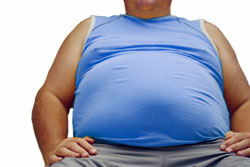 The number of people who are obese is rising rapidly worldwide, making obesity one of the fastest developing public health problems. The World Health Organisation (WHO) has described the problem of obesity as a “worldwide epidemic”.
- Recent studies estimate that more than half of all Australian women (52%) and two-thirds of men (67%) are overweight or obese. That is, almost 60% of the adult population in Australia is overweight or obese. Approximately 20% of the population may be classified as obese or morbidly obese which both pose significant health risks.
- The rates of obesity in Australia has increased dramatically, particularly in the last two decades. The prevalence of obesity has is 2.5 times higher now than it was in 1980.
- Rates of childhood obesity in Australia are at one of the highest amongst developed nations. 25% of Australian children are currently overweight or obese.
- In the 10-year period from 1985 to 1995, the level of combined overweight / obesity in Australian children more than doubled, whilst the level of obesity tripled in all age groups and for both sexes.
- Obesity is a health crisis that is costing the Australian government up to $1.5 billion a year in direct health costs.
Table 2: Obesity prevalence in several countries worldwide
| Country | Year | Age | Men % | Women % |
|---|---|---|---|---|
| Australia |
2000 |
25+ |
19.3 |
22.2 |
| Brazil |
1997 |
20+ |
6.9 |
12.5 |
| Canada (SR) |
2000–01 |
20–64 |
16.0 |
14.0 |
| China |
1998–2000 |
20–94 |
2.4 |
5.5 |
| England |
2002 |
16+ |
22.7 |
23.8 |
| France (SR) |
2003 |
15+ |
11.8* |
13.0* |
| Germany |
2002 |
25+ |
22.5 |
23.3 |
| India |
1998 |
18+ |
0.3 |
0.6 |
| Italy |
2003 |
18+ |
9.3 |
8.7 |
| Japan |
2000 |
20+ |
2.9 |
3.3 |
| Netherlands |
1998–2002 |
20–59 |
10.4 |
10.1 |
| New Zealand |
1997 |
15+ |
14.7 |
19.2 |
| Russia |
2000 |
19–55 |
10.3 |
21.6 |
| Scotland |
2003 |
16+ |
22.4 |
26.0 |
| Singapore |
2004 |
18–69 |
6.4 |
7.3 |
| USA |
2003–04 |
20+ |
31.1 |
33.2 |
SR – self reported
* males and females combined
** IOTF estimate
Source: International Obesity Task Force
Incidence of obesity according to profession
Recent studies have suggested that lower levels of education and lower levels of occupation are associated with increased rates of obesity. In women these factors have a synergistic (combined to have a greater impact) effect. Overall however, lower level of education is a more important determinant of obesity. One particular study showed that individual job can impact on rates of obesity. Salespersons; personal service workers; plant-machine operators, drivers, labourers and related employees (lower status occupations) have higher BMI and rates of obesity than men and women in managerial, administrative, clerking or professional positions. There is no obvious differences between rates of obesity in employed and unemployed individuals. However in the past it has been thought that unemployment may be associated with higher rates of obesity.
Risk Factors for Obesity
 The cause of obesity is complex and depends on both genetic and environmental influences. Most patients suffer from ‘simple obesity‘ (weight gain due to an increased intake of calories) but the following conditions can have obesity as an associated feature:
- Congenital syndromes (e.g. Prader Willi syndrome);
- Hypothyroidism;
- Cushing’s syndrome;
- Polycystic ovarian syndrome (PCOS);
- Steroid use;
- Damage to the hypothalamus.
In a general sense, obesity results when the intake of calories exceeds the amount of energy your body burns.Thus the following are considered risk factors:
- Genetics: Various genes may impact on the development of obesity. Research into genetic helps people understand the causes of obesity and possible treatments.
- Food intake: Overeating and consumption of fatty foods plays a role in the development of obesity. The home environment and finances can influence which foods are eaten. Note that many obese patients underestimate their food intake.
- Lack of exercise: This lowers energy expenditure and promotes weight gain. Lifestyle changes over recent decades to more sedentary lifestyles is a key contributing factor to the rise in the rates of obesity.
- Excess alcohol consumption
Progression of Obesity
Obesity during childhood and adolescence is associated with an increased risk of obesity during adulthood and its associated health problems. Adolescent males with moderate-to-severe obesity seem to be at particular risk. The impacts of childhood and infant obesity are less clear, but generally the greater the degree of obesity and the older the age of the children, the more likely obesity will develop in adulthood. Obesity is associated with risks of early death from diabetes, heart disease and stroke. Gout and bowel cancer increased among men who had obesity as adolescents. Women who had obesity as adolescents have increased rates of arthritis.
There are a number of health, social and psychological consequences associated with overweight and obesity. Associated health consequences include:
- Coronary heart disease (CHD);
- Diabetes mellitus;
- High blood pressure (hypertension);
- High blood cholesterol;
- Gallbladder disease;
- Osteoarthritis;
- Gout;
- Certain types of cancer (e.g. breast, endometrial, cervical, colon);
- Reproductive hormone abnormalities;
- Polycystic ovary syndrome;
- Impaired fertility;
- Breathlessness;
- Sleep apnoea;
- Low back pain (due to obesity);
- Premature death.
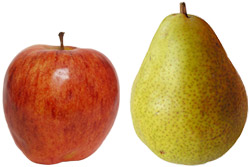
Generally, the more overweight you are, the more likely you are to have health problems related to the excess weight. Excess fat in the abdominal region (the ‘apple’ body) is of particular concern as it is associated with greater risks to health than is fat distributed around the body (the ‘pear’ body). Psychosocial consequences include:
 Social bias;
- Discrimination;
- Low self-esteem;
- Body shape dissatisfaction;
- Eating disorders (e.g. binge-eating disorder);
- Isolation;
- Depression.
Therefore, preventing weight gain is important not only for health and wellbeing, but also for preventing the development of overweight and obesity and therefore the development of associated health and psychosocial problems and diseases.
Symptoms of Obesity
Your doctor will take a thorough history regarding your dietary habits and levels of activity. They will also screen you for symtoms of other comorbid conditions such as heart disease, depression and diabetes. Secondary causes of obesity, such as dry skin, constipation and cold intolerance, will also be questioned suggesting hypothyroidism. Family history of weight problems is another important aspect of the clinical history.
Clinical Examination of Obesity
Using Body mass index or other measures such as skin fold are usually sufficient when it comes to a diagnosis of obesity. A complete examination is needed as well including examining your lungs, heart and abdomen because obesity can cause disease in many different areas of the body.
How is Obesity Diagnosed?
Laboratory work-up should include the following:
- Blood cholesterol;
- Liver function tests;
- Thyroid function tests: will detect a thyroid that is underactive;
- 24 hour urine cortisol if Cushing’s is suspected;
- Fasting blood glucose and insulin levels-to test for diabetes.
Prognosis of Obesity
 As forementioned obesity is associated with significant morbidity and mortality. Increased BMI increases risks of coronary heart disease, stroke and heart failure and risks are greater for higher BMI values. Overall, obesity is estimated to be associated with a 4-fold increased cardiovascular mortality rate and a 2-fold increased cancer-related mortality rate. People who are severely obese have a very high overall mortalities.
How is Obesity Treated?
 Treatment of obesity is important to reduce the health risks described earlier and to improve your overall quality of life. Treatment of obesity generally requires a multi-disciplinary approach including various health professionals. People involved in your health care may include physicians, dieticians, surgeons, psychologists and psychiatrists. An overview of the treatment options is provided below:
Lifestyle modification
Treatment focuses on lifestyle modifications which aim to lower energy intake and increase energy expenditure. Lifestyle modification is the single most important factor in the treatment of obesity, as other treatments are often not successful without modifying lifestyle. In addition, the following should be avoided:
- Excess alcohol consumption;
- Stress;
- Depression;
- Boredom and frustration;
- Poor eating habits (eating habits of women, eating habits of men);
- Sedentary lifestyle. Perform aerobic exercise for at least 30 minutes a day, 3 times a week and try to increase physical activity in general by walking rather than driving, and climbing stairs rather than using an elevator or escalator. A professional exercise physiologist or physiotherapist can help you to devise an appropriate exercise regimen;
- Reduce consumption of food that is high in fat and sugar. A nutritionally balanced diet, high in vegetables and fruits, where energy intake is lower than expenditure (through physical activity) is recommended. A dietitian can develop an individualised nutrition plan for you.
Note that the above measures may be sufficient for people who are just overweight. However, for the obese or morbidly obese, additional treatments such as drugs or surgery may be needed to adequately lose weight. You must also recognise that weight loss requires lifelong changes to your eating and exercise habits. It has been shown that many people put back on the weight they had lost during supervised commercial weight loss programs. Therefore you must continue your healthy behaviours beyond just the time frame of your diet or program to avoid weight regain in the next few years.
Meal replacement programs (low calorie diet with monitoring)
Meal replacement programs with low calorie diet is another alternative option and can also help an obese person lose weight, as they combine a meal replacement regimen with additional health supports such as physiotherapists. These programs work by replacing meals per day with specialised formula food, which is a complete meal. The program is a combination of LCD (Low Calorie Diet) and the natural process of ketosis. Ketosis happens after 48 hours when body detects that it isn’t getting enough carbohydrates to operate as it usually does, therefore it ‘switches over’ to a different method of providing fuel for itself – your fat stores. These programs may not be for everyone, as it is a strict regimen and lifestyle modifications are still essential.
Medication therapy
Drugs may be used to help reduce weight such as Xenical (Orlistat) or Sibutramine (Reductil). These drugs work by either suppressing appetite (e.g. Sibutramine) or by reducing the absorption of fats to help weight loss (e.g. Orlistat). However, many of these drugs have nasty side effects (such as diarrhoea) and are still being investigated in clinical trials. In order for medications to really work, they need to be combined with lifestyle modifications such as a low fat diet and regular exercise. Medications for weight loss should always be given under the supervision of a medical practitioner.
Surgical treatments
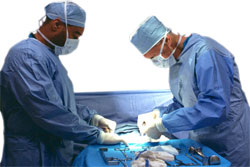 Surgery is usually considered when other therapies have repeatedly failed or when obesity is very severe (i.e. greater then 40kg overweight or if associated health problems are present). Banding of the stomach (gastric banding) is the preferred approach in Australia but other treatments are also available.
Gastric banding is a restrictive surgery where an adjustable silicone band is placed around the stomach. This reduces the amount of food that needs to be eaten before you feel full. Gastric surgery is a safe procedure and can be reversed or adjusted ir required. In the majority of cases, the surgery is performed laparoscopically (keyhole surgery).
Other surgical treatments include the old fashioned gastric stapling (also a restrictive procedure), gastrectomy (removing part of the stomach) or gastric bypass. The latter operation is often performed in the United States and involves creating a pouch in the stomach, then connecting it to the intestine. This reduces the amount of food that can be eaten and delays the time to digestion.
Gastric surgery can help you lose up to 60% of your excess weight. Furthermore, gastric surgery is often more successful than other treatments in overcoming some of the problems of obesity. Surgery can help improve shortness of breath, sleep, mobility and your overall quality of life. However, surgery is a major undertaking and there are major risks and complications.
The first complications are those of any major operation. These include the possibility of blood transfusion (5-20%), and pulmonary embolism (clots in the lungs) 1%. Anaesthetic complications are very serious, especially as obese patients are complex cases. Infections may also result and there is the risk that the operation was not successful and re-operation is needed. In some cases, the band can slip, cause leakage at the site or cause a puncture in the wall of the stomach.
Therefore, any decision for surgery must be undertaken with great care and thought and is not a decision to be made rashly. It should also not be seen as a ‘cure’ for obesity. Once again, lifestyle modification is essential for the success of surgical treatment as well. If appropriate diets are not followed after surgery you can develop symptoms such as indigestion and diarrhoea.
Other
Cognitive behavioural therapy (CBT) is another treatment that may be used. This involves group therapy to help you understand the reasons behind your eating patterns and how you can change your thinking and behaviour to overcome them. This type of treatment is often performed by a trained psychologist.
Article kindly reviewed by:
The DAA WA Oncology Interest Group
and
Food4Health (Helen Baker Dietitian-APD)
More information
 |
For more information on obesity, health and social issues, and methods of weight loss, as well as some useful tools, see Weight Loss. |
 |
For more information on nutrition, including information on types and composition of food, nutrition and people, conditions related to nutrition, and diets and recipes, as well as some useful videos and tools, see Nutrition. |
Obesity References
- AIHW, Are all Australians gaining weight? Differentials in overweight and obesity among adults 1989-90 to 2001, Bulletin 2003; 11: 1-17.
- Ball K. Mishra G. Crawford D. Which aspects of socioeconomic status are related to obesity among men and women? International Journal of Obesity & Related Metabolic Disorders: Journal of the International Association for the Study of Obesity, 2002; 26(4):559-65.
- Barsh GS, Farooqi IS, O’Rahilly S: Genetics of body-weight regulation. Nature 2000 Apr 6; 404(6778): 644-51.
- Reproduced from: Obesity: Preventing and Managing the Global Epidemic, 2000, WHO, Geneva
- Australian Government, Department of Health and Ageing, ‘About Overweight and Obesity’ Fact Page, http://www.health.gov.au/internet/wcms/publishing.nsf/content/health-pubhlth-strateg-hlthwt-obesity.htm, 30th September 2002.
- Reproduced from: Obesity: Preventing and Managing the Global Epidemic, 2000, WHO, Geneva
- Cameron A, Welborn T, Zimmet P, Dunstan D, Owen N, Salmon J, Dalton M, Jolley D, Shaw J, Overweight and obesity in Australia: the 1999-2000 Australian Diabetes, Obesity and Lifestyle Study (AusDiab), MJA 2003; 178 (9): 427-432.
- Galobardes B, Morabia A & Bernstein MS 2000. The differential effect of education and occupation and body mass and overweight in a sample of working people of the general population. Annals of Epidemiology 10:532-7.
- Hamdorf, J. The Management of Obesity , 2007.
- Kumar and Clark. Clinical Medicine 4th Edition, W.B Saunders, 1998.
- NSW Department of Health, Childhood Obesity, http://www.health.nsw.gov.au/obesity/adult/background/background.html, 16th August 2006
- NHMRC. Clinical Practice Guidelines for the Management of Overweight and Obesity in Adults; 2003. Available from http://www.health.gov.au/internet/main/publishing.nsf/Content/obesityguidelines-guidelines-adults.htm
- Australasian Society for the Study of Obesity, http://www.asso.org.au/home/quicklinks/fastfacts, ASSO, 15th June 2005
- Proietto J, Baur L, Management of obesity, MJA 2004; 180 (9): 474-480.
- National Institute of Diabetes and Digestive and Kidney Diseases. Understanding Obesity. U.S. Department of Health and Human Services (DHHS); NIH. NIH Publication No. 01-3680 October 2001, Updated March 2006
- Lyzniki, JM, Obesity: Assessment and Management in Primary Care, M.S., M.P.H, American Family Physician, June 2001, Vol 63 No. 11
Drugs/Products Used in the Treatment of This Disease:
All content and media on the HealthEngine Blog is created and published online for informational purposes only. It is not intended to be a substitute for professional medical advice and should not be relied on as health or personal advice. Always seek the guidance of your doctor or other qualified health professional with any questions you may have regarding your health or a medical condition. Never disregard the advice of a medical professional, or delay in seeking it because of something you have read on this Website. If you think you may have a medical emergency, call your doctor, go to the nearest hospital emergency department, or call the emergency services immediately.
Related Articles

Hair loss is a common issue that affects…

Alzheimer’s disease is a progressive neurological disorder that…
Obstructive sleep apnoea (OSA) is a prevalent and…
Need a health appointment?
Find and book a doctor, dentist, physio and more on Healthengine
Find a practitioner